
How to Maintain Oral Health Between Dental Visits
Introduction
Regular dental checkups are essential, but what you do between dental visits plays an even bigger role in maintaining long-term oral health. Many dental problems—such as cavities, gum disease, and enamel erosion—develop gradually and are often preventable with consistent daily care. Patients across Texas frequently ask how they can better protect their teeth and gums outside the dental office. Understanding proper oral hygiene habits, dietary choices, and early warning signs can significantly reduce the risk of dental issues. In this guide, we’ll explain how to maintain optimal oral health between dental visits, why preventive care matters, and when to seek professional attention to keep your smile healthy and strong year-round.
What Does Maintaining Oral Health Mean?
Maintaining oral health involves daily habits and preventive practices that protect teeth, gums, and supporting structures from decay, infection, and disease. This includes brushing, flossing, nutrition, and monitoring changes in your mouth.
Semantic / Supporting Keywords: oral hygiene, dental care routine, healthy teeth and gums, preventive dental care
How Can You Maintain Oral Health Between Dental Visits?
1. Brush Properly Twice a Day
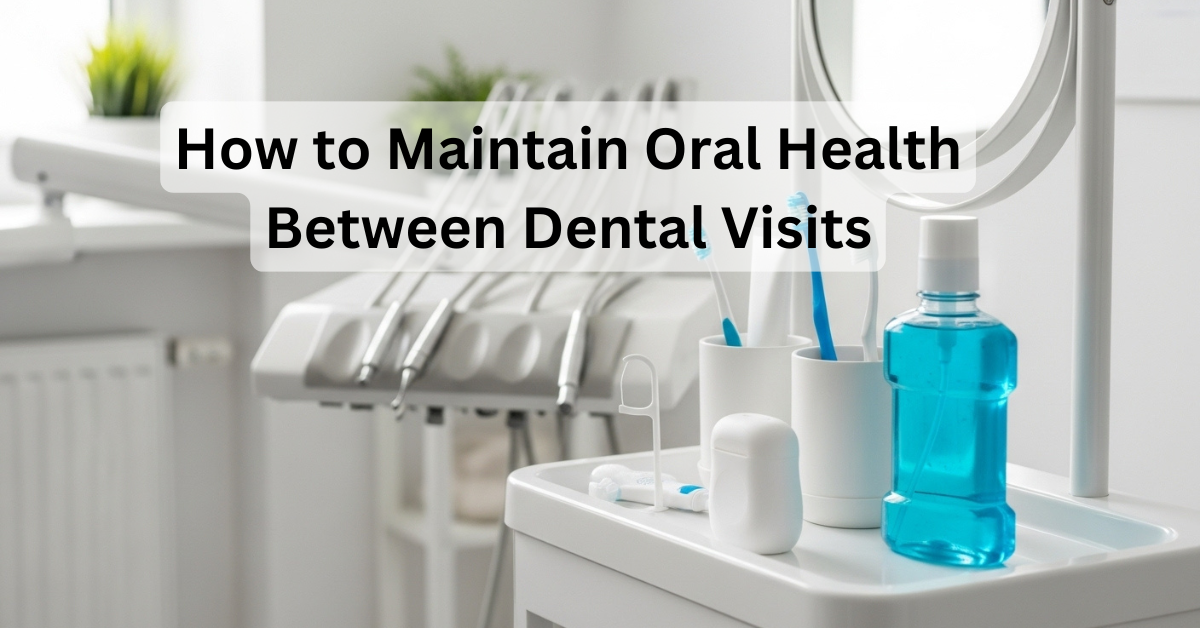
Use fluoride toothpaste and a soft-bristled toothbrush. Brush for at least two minutes to remove plaque and bacteria.
2. Floss Daily
Flossing cleans areas your toothbrush can’t reach, reducing the risk of cavities and gum disease.
3. Use Mouthwash When Recommended
Antibacterial or fluoride mouthwash can help control plaque and strengthen enamel.
4. Maintain a Tooth-Friendly Diet
Limit sugary snacks and acidic drinks. Choose foods that support enamel health, like dairy, vegetables, and lean proteins.
5. Stay Hydrated
Drinking water helps wash away food particles and supports saliva production.
Why Maintaining Oral Health Is Important
Consistent oral care helps:
- Prevent cavities and tooth decay
- Reduce the risk of gum disease
- Protect dental restorations like crowns and implants
- Avoid costly or emergency dental treatments
- Support overall health and wellness
Preventive care lowers long-term dental risks and improves quality of life.
Common Mistakes That Affect Oral Health
- Skipping flossing
- Brushing too aggressively
- Consuming excessive sugary or acidic foods
- Ignoring bleeding gums or tooth sensitivity
- Delaying dental visits when symptoms appear
Correcting these habits can significantly improve oral health outcomes.
When Should You Contact Your Texas Dentist?
- Persistent tooth pain or sensitivity
- Bleeding, swollen, or receding gums
- Bad breath that doesn’t improve
- Loose fillings or restorations
- Signs of infection or swelling
Early intervention prevents minor issues from becoming major problems.
Related Dental Treatments
- General Dentistry: Routine exams and cleanings
- Gum Disease Treatment: Addressing early inflammation
- Emergency Dentistry: Care for sudden pain or damage
Frequently Asked Questions
Q1: How often should I brush and floss?
A: Brush at least twice daily and floss once a day to effectively remove plaque and prevent gum disease.
Q2: Is mouthwash necessary for oral health?
A: Mouthwash can be helpful but should complement brushing and flossing, not replace them.
Q3: Can diet affect oral health?
A: Yes, sugary and acidic foods increase the risk of cavities, while nutrient-rich foods support enamel and gum health.
Q4: How do I know if my oral hygiene routine is working?
A: Healthy gums, fresh breath, and minimal plaque buildup are good indicators of effective oral care.
Q5: Should I wait until my next appointment if I notice pain?
A: No, persistent pain or discomfort should be evaluated promptly to prevent further complications.
Conclusion
Maintaining oral health between dental visits is essential for preventing cavities, gum disease, and more serious dental issues. By following consistent hygiene practices, making smart dietary choices, and staying alert to changes in your mouth, you can protect your smile year-round. Regular dental check-ups combined with effective daily care ensure long-term oral health and reduce the need for extensive treatments. If you notice unusual symptoms, consulting a trusted Texas dentist early can help preserve your dental health and peace of mind.