
Are Root Canals Painful? Myths vs Facts
Introduction
Root canals often get a bad reputation for being painful, leaving many patients in Texas hesitant to seek treatment. However, advances in dental technology and anesthesia have made the procedure far less intimidating than commonly believed. Understanding the truth about root canal pain, why the procedure is necessary, and what to expect can help you make informed decisions for your oral health. In this guide, we’ll separate myths from facts, explain how modern root canal treatments work, and share tips to minimize discomfort. Whether you’re dealing with a severe toothache or an infected tooth, knowing the realities of root canal therapy ensures you get timely care, prevent tooth loss, and maintain a healthy smile.
What Is a Root Canal?
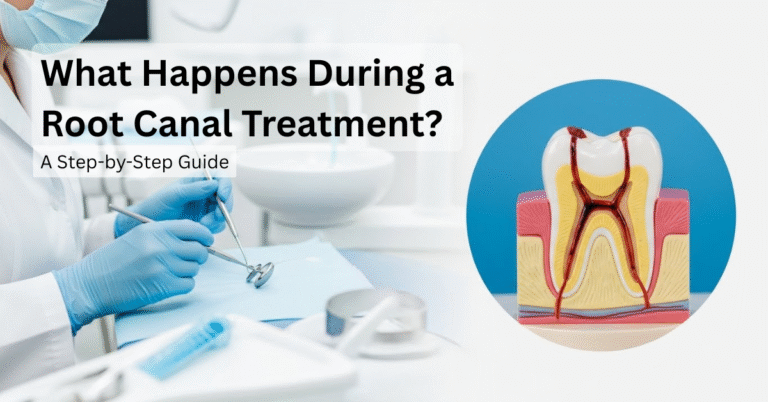
A root canal is a dental procedure used to treat infected or inflamed pulp inside a tooth. It involves cleaning out the infected tissue, disinfecting the root canals, and sealing the space to prevent further infection. This procedure saves natural teeth that might otherwise require extraction.
Common Myths About Root Canal Pain
- Myth: Root canals are extremely painful.
Fact: Modern anesthesia and techniques make root canals as comfortable as routine fillings. - Myth: You’ll feel pain after the procedure.
Fact: Mild soreness is normal for a few days, manageable with over-the-counter pain relief. - Myth: Extraction is easier than a root canal.
Fact: Preserving your natural tooth with a root canal prevents bone loss and maintains oral function. - Myth: Root canals require multiple visits.
Fact: Many procedures can now be completed in 1–2 appointments depending on the tooth and complexity.
How Does a Root Canal Work?
- Diagnosis & X-rays: The dentist identifies the infected pulp and assesses the tooth structure.
- Anesthesia: Local anesthetic ensures a pain-free procedure.
- Pulp Removal: The infected tissue is carefully removed.
- Cleaning & Shaping: Canals are cleaned, shaped, and disinfected.
- Filling & Sealing: Biocompatible material (gutta-percha) fills the canals.
- Restoration: A crown or filling restores function and appearance.
Why Root Canals Are Important
Root canal therapy is crucial for:
- Preserving natural teeth and avoiding extractions
- Preventing infection spread to other teeth or the jaw
- Restoring normal chewing and biting functions
- Reducing long-term dental costs compared to replacements
Common Situations / Use Cases
- Severe toothache caused by decay
- Tooth sensitivity to hot/cold that persists
- Swollen gums around a tooth
- Tooth trauma or deep cavities
- Darkening of the tooth due to nerve damage
When Should You Consider a Root Canal in Texas?
- Persistent pain or swelling
- Infection confirmed on X-rays
- Sensitivity affecting daily activities
- Recommendation from a licensed Texas dentist
- Desire to save a natural tooth rather than extracting
Related Dental Treatments
- Dental Implants in Texas – when teeth cannot be saved
- Cosmetic Dentistry – crowns placed after root canals improve aesthetics
- Emergency Dentistry – for severe pain or infection requiring immediate care
Frequently Asked Questions About Root Canal Pain
Q1: Do root canals hurt?
A: Modern root canals are mostly pain-free due to anesthesia, with only mild post-procedure soreness in some cases.
Q2: How long is recovery after a root canal?
A: Most patients recover in a few days, with over-the-counter pain relievers managing discomfort.
Q3: Can root canals fail?
A: Rarely, failure can occur due to infection or untreated canals. Retreatment or additional care may be needed.
Q4: Is a root canal better than tooth extraction?
A: Yes, saving your natural tooth prevents bone loss, maintains chewing ability, and is often less costly long-term.
Q5: Are root canals safe for adults of all ages?
A: Absolutely, as long as you have healthy gums and adequate bone structure, age is not a limiting factor.
Conclusion
Root canal therapy is a safe, effective, and mostly painless solution for treating infected or damaged teeth. Separating myths from facts helps patients in Texas feel confident about seeking timely care and preserving their natural teeth. By understanding the procedure, benefits, and recovery process, you can avoid unnecessary extractions and maintain long-term oral health. If you experience persistent pain, swelling, or other symptoms, consult a trusted Texas dentist promptly to evaluate your need for root canal therapy and prevent complications.