
How Cosmetic Dentistry Can Transform Your Smile and Confidence
A confident smile plays a powerful role in how people perceive themselves and interact with others. Discolored, chipped, misaligned, or uneven teeth can affect more than just appearance—they often influence self-esteem and social comfort. This is where cosmetic dentistry can make a meaningful difference. Modern cosmetic dental treatments are designed not only to enhance the look of your smile but also to support oral function and long-term dental health. Whether you are considering subtle improvements or a complete smile makeover, understanding how cosmetic dentistry works can help you make informed decisions. This guide explains how it can transform your smile and confidence, outlines common treatment options, and highlights when these services may be right for you.
What Is Cosmetic Dentistry?
It is a branch which focuses on improving the appearance of the teeth, gums, and overall smile while maintaining oral health and function. Unlike general dentistry, which primarily addresses prevention and treatment of disease, cosmetic dentistry emphasizes aesthetics such as tooth color, shape, alignment, spacing, and symmetry.
Common procedures include teeth whitening, dental veneers, bonding, crowns, Invisalign, and smile makeover treatments. While cosmetic in nature, many of these procedures also provide restorative benefits, such as strengthening damaged teeth or improving bite alignment. It blends science, artistry, and clinical expertise to deliver natural-looking results tailored to each patient.
How Does Cosmetic Dentistry Work?
Cosmetic dentistry works through a personalized, step-by-step approach that begins with a comprehensive dental evaluation. The dentist assesses tooth structure, gum health, bite alignment, and aesthetic concerns before recommending suitable treatments.
The process typically includes:
- Consultation and smile assessment to understand goals and expectations
- Digital imaging or impressions to plan treatment accurately
- Customized treatment selection, such as whitening, veneers, or orthodontic solutions
- Gradual or staged procedures depending on complexity
- Final refinements and follow-up care to maintain results
Each treatment plan is tailored to enhance appearance while preserving dental health, comfort, and function.
Why Is Cosmetic Dentistry Important?
Cosmetic dentistry is important because oral appearance often influences confidence, communication, and quality of life. Patients who feel self-conscious about their smiles may avoid social interactions or feel less confident professionally.
Benefits include:
- Improved smile aesthetics
- Enhanced self-confidence and self-image
- Natural-looking, customized results
- Functional improvements such as better bite balance
- Long-lasting dental restorations
By addressing both cosmetic concerns and structural issues, it supports emotional well-being alongside oral health.
Common Situations, Use Cases, and Types of Cosmetic Dentistry
Cosmetic dentistry is commonly used to address a variety of aesthetic concerns, including:
- Tooth discoloration or staining
- Chipped, cracked, or worn teeth
- Uneven tooth size or shape
- Gaps between teeth
- Mild to moderate misalignment
Popular cosmetic dentistry treatments include:
- Teeth whitening for brighter smiles
- Dental veneers to improve shape and color
- Dental bonding for minor repairs
- Crowns for restoring damaged teeth
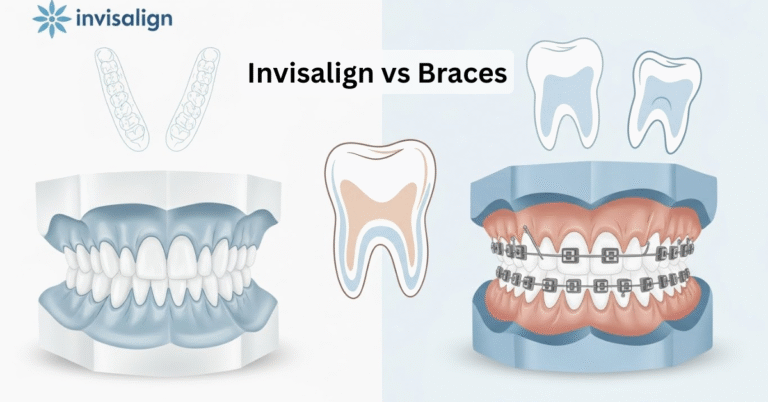
- Invisalign for discreet orthodontic correction
Each treatment targets specific concerns while contributing to overall smile harmony.
When Should You Consider Cosmetic Dentistry?
You may consider cosmetic dentistry if you are unhappy with the appearance of your smile or if dental imperfections affect your confidence. Cosmetic treatments are often suitable for patients with healthy teeth and gums who want aesthetic improvements rather than medical intervention.
It may also be recommended after restorative procedures to enhance visual outcomes. A professional dental consultation helps determine whether cosmetic treatment aligns with your oral health status, expectations, and long-term goals.
Related Dental Treatments
Cosmetic dentistry often works alongside other dental services to ensure comprehensive care. General dentistry supports oral health maintenance before cosmetic procedures. Teeth whitening is commonly paired with veneers or bonding for uniform brightness. Invisalign may be recommended to align teeth before cosmetic enhancements. In some cases, dental crowns or root canal treatment may be required to restore tooth structure prior to cosmetic improvements. These services work together to achieve functional and aesthetic balance.
Frequently Asked Questions
What problems can cosmetic dentistry fix?
Cosmetic dentistry can address stained teeth, chips, cracks, gaps, uneven alignment, and misshapen teeth. Treatments are designed to improve smile aesthetics while maintaining natural appearance and function.
Is cosmetic dentistry only about appearance?
While cosmetic dentistry focuses on aesthetics, many procedures also provide functional benefits, such as strengthening teeth, improving bite alignment, and protecting damaged tooth structure.
How long do cosmetic dentistry results last?
The longevity of results depends on the procedure and oral care habits. Teeth whitening may last months to years, while veneers and crowns can last many years with proper care.
Is cosmetic dentistry safe?
Yes, cosmetic dentistry is safe when performed by a qualified dental professional. Treatments are planned carefully to protect tooth structure and maintain oral health.
Can cosmetic dentistry improve confidence?
Many patients report increased confidence after cosmetic dental treatment. An improved smile often leads to greater comfort in social and professional interactions.
Conclusion
Cosmetic dentistry offers more than just aesthetic enhancement—it supports confidence, self-expression, and overall quality of life. By improving the appearance of teeth and smiles through personalized treatment plans, it helps patients feel more comfortable and confident in daily interactions. Whether addressing minor imperfections or pursuing a comprehensive smile makeover, consulting a dental professional ensures safe, effective, and natural-looking results that align with long-term oral health goals.