
Signs You Need Emergency Dental Care (And When to Act Fast)
Dental problems don’t always happen during regular office hours, and some situations require immediate attention to prevent serious complications. Knowing the signs you need emergency dental care can make a critical difference in protecting your oral health and avoiding long-term damage. Severe tooth pain, sudden swelling, or dental trauma may signal an underlying issue that should not be ignored. Many people delay treatment, hoping symptoms will resolve on their own, but dental emergencies often worsen without professional care. This guide explains what qualifies as a dental emergency, how emergency dental care works, and when it is important to act fast. Understanding these warning signs helps you respond promptly and make informed decisions when dental issues arise unexpectedly.
What Is Emergency Dental Care?
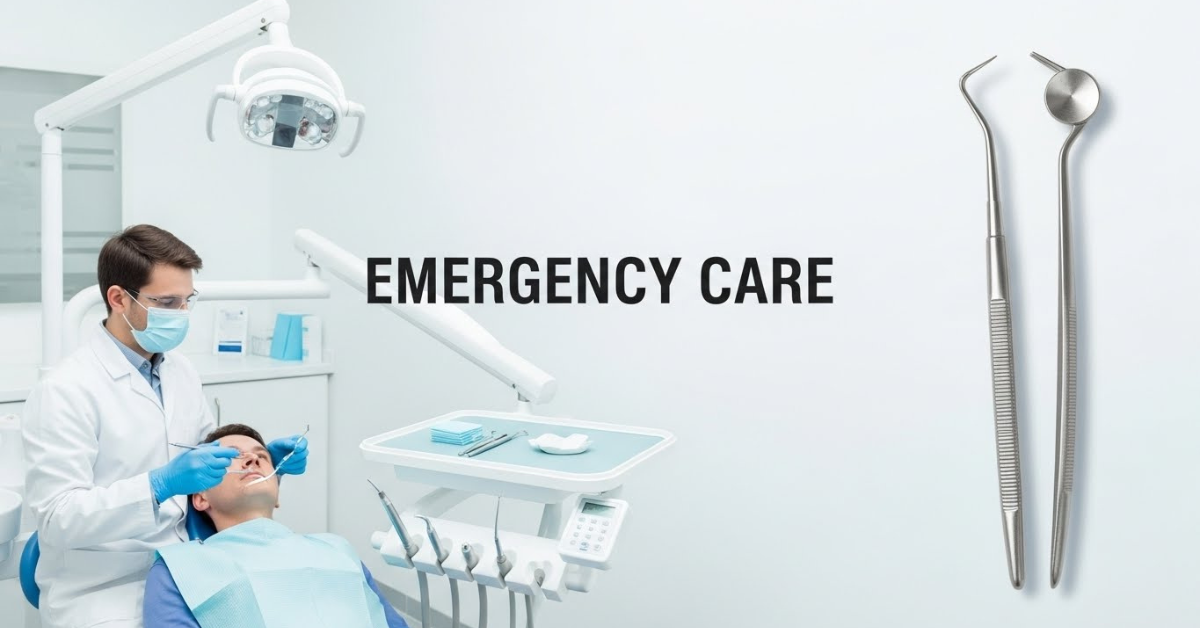
Emergency dental care refers to immediate dental treatment provided to address urgent oral health issues that require prompt attention. These situations typically involve pain, infection, injury, or damage that could worsen if left untreated.
Emergency dental care focuses on:
- Relieving pain and discomfort
- Controlling infection or bleeding
- Stabilizing damaged teeth or tissues
- Preventing further complications
Unlike routine dental visits, emergency dental care prioritizes urgent conditions that pose a risk to oral health, overall health, or daily functioning.
How Does Emergency Dental Care Work?
Emergency dental care begins with an evaluation to determine the severity of the problem and identify the appropriate treatment. The process is designed to stabilize the condition quickly while minimizing discomfort.
Typical steps include:
- Assessment of symptoms and medical history
- Clinical examination and diagnostic imaging if needed
- Immediate pain management or infection control
- Temporary or definitive treatment to stabilize the issue
- Planning for follow-up care if required
The goal is to address the urgent concern first, then develop a long-term treatment plan to restore oral health.
Why Is Emergency Dental Care Important?
Emergency dental care is important because untreated dental issues can escalate rapidly. Infections can spread, pain can intensify, and damage to teeth or supporting structures can become irreversible.
Timely emergency treatment helps:
- Prevent tooth loss
- Reduce the risk of infection spreading
- Alleviate severe pain
- Protect surrounding teeth and tissues
- Support overall health and safety
Prompt care not only addresses immediate symptoms but also reduces the likelihood of more complex and costly treatments later.
Common Situations That Require Emergency Dental Care
Some dental issues should be addressed as soon as possible. Common dental emergencies include:
- Severe or persistent toothache
- Swelling in the gums, jaw, or face
- Knocked-out or loosened teeth
- Cracked, fractured, or broken teeth
- Uncontrolled bleeding from the mouth
- Signs of dental abscess or infection
- Trauma to the mouth or jaw
These symptoms often indicate underlying problems that require immediate professional attention.
When Should You Consider Emergency Dental Care?
You should consider emergency dental care when symptoms interfere with daily activities, worsen quickly, or pose a risk to oral or overall health. Pain that does not improve, swelling that increases, or trauma resulting from accidents should never be ignored.
If you are unsure whether a situation qualifies as an emergency, it is generally safer to seek professional advice promptly. Early intervention can prevent complications and support better long-term outcomes.
Related Dental Treatments
Emergency dental care often connects with other dental services to provide comprehensive treatment. General dentistry supports preventive care and early detection of issues that may lead to emergencies. Root canal treatment is commonly performed during emergencies involving infected teeth. Dental crowns may be used to restore broken teeth, while tooth extraction may be necessary in severe cases. Follow-up care ensures long-term stability and oral health.
Frequently Asked Questions
What counts as a dental emergency?
A dental emergency includes severe pain, swelling, infection, trauma, or damage that requires immediate attention. If symptoms are sudden, intense, or worsening, emergency dental care is recommended.
Should I go to the emergency room for dental pain?
For most dental issues, an emergency dentist is the best option. Emergency rooms can manage pain or infection temporarily but typically do not provide definitive dental treatment.
How quickly should I seek emergency dental care?
You should seek care as soon as possible, especially if pain, swelling, or bleeding is present. Acting quickly can prevent complications and improve treatment outcomes.
Can a dental infection be dangerous?
Yes, untreated dental infections can spread to other areas of the body and become serious. Prompt emergency dental care helps control infection and protect overall health.
What should I do if a tooth is knocked out?
A knocked-out tooth is a dental emergency. Keep the tooth moist, avoid touching the root, and seek emergency dental care immediately for the best chance of saving the tooth.
Conclusion
Recognizing the signs you need emergency dental care empowers you to act quickly when oral health issues arise. Prompt treatment can relieve pain, prevent infection, and protect your teeth from permanent damage. Dental emergencies can happen unexpectedly, but knowing when to seek professional care helps ensure safer outcomes. If symptoms are severe or worsening, consulting a dental professional without delay supports both immediate relief and long-term oral health.