
What Happens During a Root Canal Treatment? Step-by-Step Guide
Hearing the words “root canal treatment” often raises questions and concerns, especially for patients experiencing tooth pain or sensitivity. Many people wonder what actually happens during the procedure and whether it is as uncomfortable as they fear. In reality, modern root canal treatment is a routine, well-controlled dental procedure designed to relieve pain—not cause it. Understanding what happens during a root canal treatment can help reduce anxiety and clarify why this treatment is often the best way to save a damaged or infected tooth. This step-by-step guide explains the process, outlines when a root canal is needed, and highlights its benefits, helping you make informed decisions about your oral health with confidence
What Is a Root Canal Treatment?
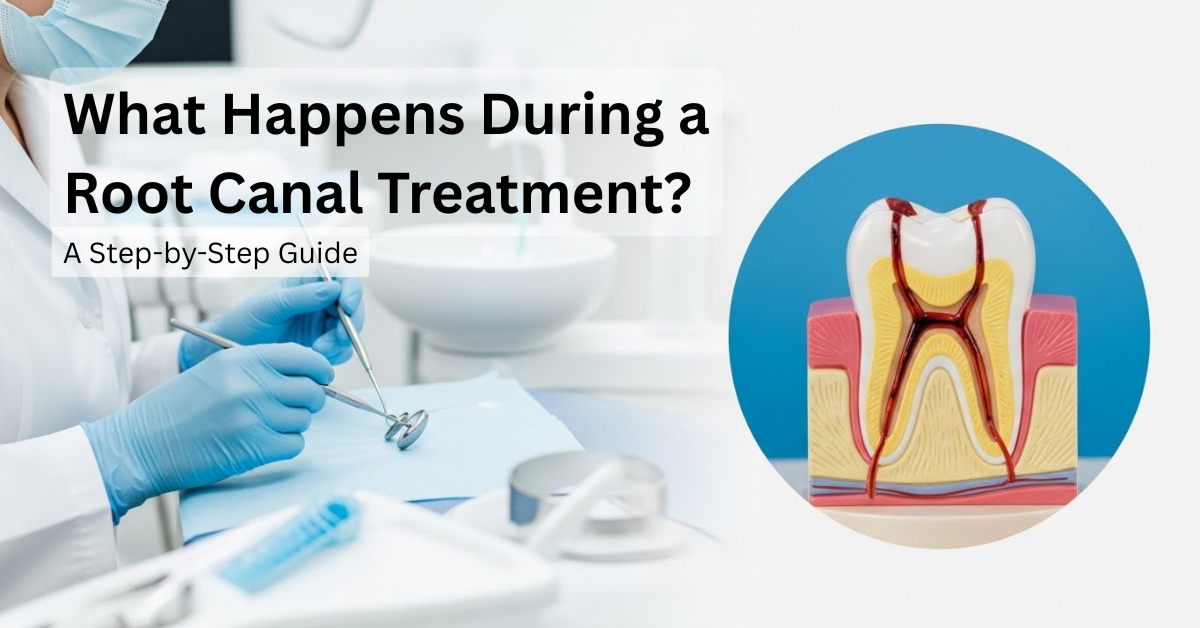
A root canal treatment is a dental procedure used to remove infection or inflammation from inside a tooth. The inner portion of the tooth, known as the pulp, contains nerves, blood vessels, and connective tissue. When this pulp becomes infected due to deep decay, cracks, or trauma, it can cause significant discomfort and lead to further complications if left untreated.
Root canal treatment involves cleaning out the infected pulp, disinfecting the inside of the tooth, and sealing it to prevent future infection. The goal is to preserve the natural tooth structure while eliminating pain and restoring normal function. This treatment is a core part of restorative and general dentistry and is widely used to save teeth that would otherwise require extraction.
How Does a Root Canal Treatment Work?
Understanding the step-by-step process can make root canal treatment feel far less intimidating. The procedure is typically completed in one or two visits, depending on the tooth’s condition.
Step 1: Examination and Diagnosis
The dentist begins with an oral examination and diagnostic imaging, such as digital X-rays, to assess the extent of infection and determine whether a root canal is necessary.
Step 2: Local Anesthesia
Local anesthesia is administered to numb the tooth and surrounding area. This ensures the procedure is comfortable and pain-free.
Step 3: Accessing the Tooth
A small opening is made in the crown of the tooth to access the infected pulp chamber and root canals.
Step 4: Cleaning and Disinfection
The infected pulp tissue is carefully removed. The root canals are cleaned, shaped, and disinfected to eliminate bacteria and debris.
Step 5: Filling the Canals
The cleaned canals are filled with a biocompatible material to seal them and prevent reinfection.
Step 6: Restoration
The tooth is sealed with a temporary or permanent filling. In many cases, a dental crown is placed later to restore strength and protect the tooth.
Why Is Root Canal Treatment Important?
Root canal treatment is important because it addresses infection at its source while preserving the natural tooth. Untreated tooth infections can spread to surrounding tissues, leading to abscesses, bone loss, and systemic health concerns.
Key benefits of root canal treatment include:
- Relief from tooth pain and sensitivity
- Prevention of further infection
- Preservation of natural teeth
- Restoration of chewing and biting function
- Support for long-term oral health
By saving the natural tooth, root canal treatment helps maintain proper bite alignment and avoids the need for more complex tooth replacement procedures.
Common Situations Where Root Canal Treatment Is Needed
Root canal treatment is commonly recommended in the following situations:
- Deep cavities that reach the tooth pulp
- Cracked or fractured teeth exposing the inner pulp
- Repeated dental procedures on the same tooth
- Trauma causing nerve damage
- Persistent tooth pain or prolonged sensitivity
In some cases, symptoms may be mild or absent, which is why routine dental exams play a crucial role in early detection.
When Should You Consider Root Canal Treatment?
You should consider root canal treatment if you experience ongoing tooth pain, sensitivity to hot or cold, swelling around the gums, or discomfort when chewing. These symptoms may indicate pulp infection or inflammation.
A dentist may also recommend a root canal even if pain is minimal, based on imaging or clinical findings. Early treatment can prevent complications and reduce the risk of tooth loss. Consulting a dental professional promptly ensures the most conservative and effective approach to treatment.
Related Dental Treatments
Root canal treatment often works alongside other dental services to support comprehensive care. General dentistry services help detect infections early through routine exams and cleanings. Emergency dentistry may be required if severe pain or swelling develops suddenly. After a root canal, a dental crown is commonly placed to restore strength and protect the treated tooth. In cases where infection is too advanced, tooth extraction and restorative options such as dental implants or dentures may be discussed.
Frequently Asked Questions
Is a root canal treatment painful?
Root canal treatment is performed under local anesthesia, making the procedure comfortable for most patients. Modern techniques are designed to relieve pain caused by infection rather than create discomfort during treatment.
How long does a root canal treatment take?
A root canal treatment usually takes one to two appointments, each lasting about 60 to 90 minutes. The exact duration depends on the tooth involved and the severity of infection.
What happens after a root canal treatment?
After treatment, mild sensitivity may occur for a few days. A permanent restoration, such as a dental crown, is often placed to protect the tooth and restore full function.
How long does a root canal-treated tooth last?
With proper care and restoration, a tooth that has undergone root canal treatment can last many years, often as long as a natural tooth.
Is root canal treatment better than tooth extraction?
Whenever possible, saving the natural tooth through root canal treatment is preferred. It preserves bite alignment, prevents bone loss, and avoids the need for tooth replacement procedures.
Conclusion
Understanding what happens during a root canal treatment can ease concerns and highlight why it is a reliable solution for infected or damaged teeth. By removing infection, relieving pain, and preserving natural tooth structure, root canal treatment plays a vital role in maintaining long-term oral health. With modern dental techniques, the procedure is safe, effective, and patient-focused. Consulting a dental professional at the first sign of symptoms ensures timely care and helps protect your smile for years to come.